REGULAR CONSTRUCTION
PHOTO REPORTS
Professional on-site photography that documents construction progress, work quality, and key project milestones — so your team, clients, and stakeholders always see what is really happening on site.
Professional Photography for Construction Sites: Photo Reports, Documentation and Architectural Photography
Professional photography of a construction project is not just about taking attractive images of a building site. It is a tool for regular reporting, progress control, quality documentation and communication with investors, banks, insurance companies, clients and internal project teams.
Important changes happen on site every day: materials are delivered, hidden works are completed, equipment is installed, concrete is poured, structures change, engineering systems appear and project stages are closed. Some of these stages cannot be seen again later without dismantling work. If they are not photographed professionally and systematically, valuable information may be lost.
We help construction companies organise professional photography of construction sites according to a clear schedule and specific objectives: for regular photo reports, stage control, quality documentation, confirmation of completed works, presentations, marketing and architectural photography of completed projects.
Why construction companies need professional photography
Construction is a process where it is important not only to complete the work, but also to record when, how and to what extent it was completed. Photographs become visual evidence of progress and the condition of the site on a specific date.
Ordinary photos taken by staff on a phone can be useful for day-to-day communication, but they are rarely suitable for proper reporting. They may have low image quality, random angles, poor lighting, no structure, inconsistent style, incomplete coverage of the site and no clear selection. Such photos are difficult to use in an investor presentation, bank report, insurance case or public company portfolio.
A professional photographer works differently. They arrive on site with a clear brief, an agreed route and a list of zones, stages and details that need to be recorded. They do not take random shots, but create a consistent visual story of the project: overall views, key areas, work details, materials, equipment, people, machinery, quality of execution, problem areas and significant changes.
This gives the construction company more accurate, higher-quality and independent visual material.
Photo reports as a project management tool
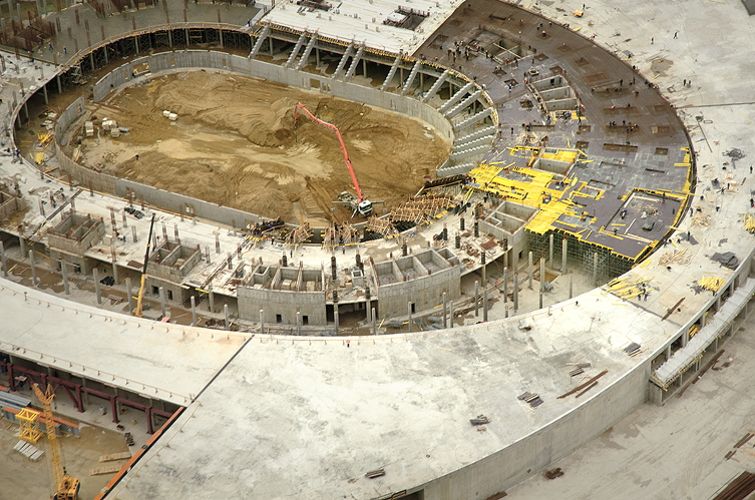
Regular photo reports help the project team see the dynamics of construction and quickly understand what has changed on site over a week, a month or a specific project stage.
The photography schedule can vary. Sometimes the photographer visits the site at fixed intervals: weekly, fortnightly, monthly or on specific reporting dates. Sometimes the shoot is linked to events: concrete pouring, installation of steel structures, installation of engineering equipment, façade closure, roof works, completion of fit-out, start of commissioning or handover of a stage.
This approach is especially useful when it is necessary to confirm that works have actually been completed, show progress to the client, prepare a report for investors or record the condition of the site before moving to the next stage.
A photo report may include:
— an overall view of the construction site;
— key work zones;
— close-ups of details and assemblies;
— materials and equipment;
— machinery in operation;
— the condition of façades, structures and engineering systems;
— installation progress;
— hidden works before they are covered;
— problem or disputed areas;
— comparison with previous periods;
— written comments, captions, dates and explanations.
As a result, the client receives not a set of scattered files, but a clear document that can be used for management, reporting and decision-making.
Who benefits most from construction photo reports
Professional photo reports are useful for different participants in the construction process.
For a developer, they help show project progress to investors, buyers, partners and senior management. The developer receives visual confirmation that the project is moving forward, works are progressing, key stages are being completed and the project can be confidently shown to an external audience.
For a main contractor, photo reports become part of project documentation and communication with the client. They help confirm completed works, show activity on site, record quality and demonstrate that the process is well managed.
For the technical client and project management team, photographs help monitor contractors, track the condition of different areas, compare actual progress with the programme and identify areas requiring attention more quickly.
For banks, investors and insurance companies, photo reports provide clear visual confirmation of the condition of the project. This is especially important when it is necessary to show regularly how funds are being used, which stages have been completed and what condition the project is in.
For marketing and PR, high-quality photographs become the basis for a portfolio, website, presentations, tender materials, media publications and social media.
Types of construction photography we can organise
Professional photography of a construction project can serve different purposes. We select the format of the shoot according to the specific project, stage and audience.
Regular progress photography
This is photography carried out according to an agreed schedule: for example, weekly, fortnightly, monthly or at the end of each reporting period. The photographer follows a pre-agreed route and records the same key points so that changes can be compared over time.
This type of photography helps show construction dynamics and create regular photo reports for the client, investor, bank or company management.
Photography of key construction events
Some stages are especially important and require separate documentation. For example:
— concrete pouring;
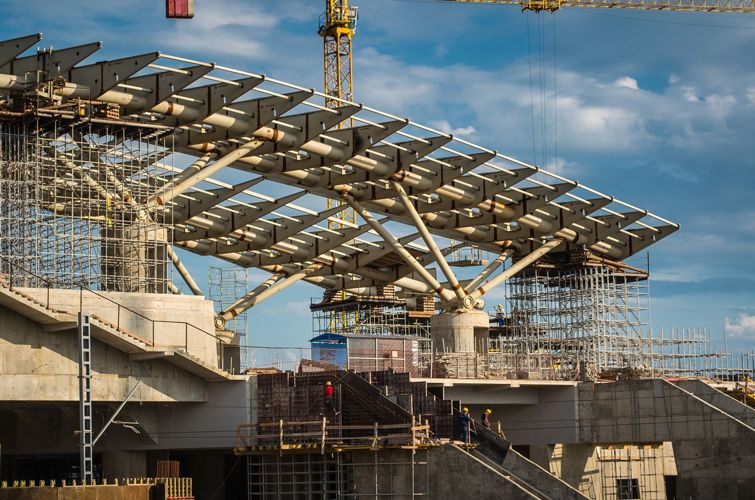
— installation of structures;
— installation of major equipment;
— delivery of important materials;
— closing of hidden works;
— installation of engineering systems;
— installation of façade elements;
— commissioning works;
— inspections and checks;
— completion of a construction stage.
Such events often cannot be repeated or re-shot. That is why it is important to plan the photographer’s presence in advance and obtain high-quality visual material at the right moment.
Photography of work quality and details
High-resolution photographs make it possible to record details that are often lost in ordinary phone images. These may include joints, fixings, connections, reinforcement, engineering services, finishes, materials, installation solutions, surface conditions and other elements.
This type of photography is useful for technical control, internal reviews, quality reports and confirmation of completed works. A good photograph provides more information: it shows texture, scale, context, defects, precision of execution and the condition of the area.
Photography of materials and equipment
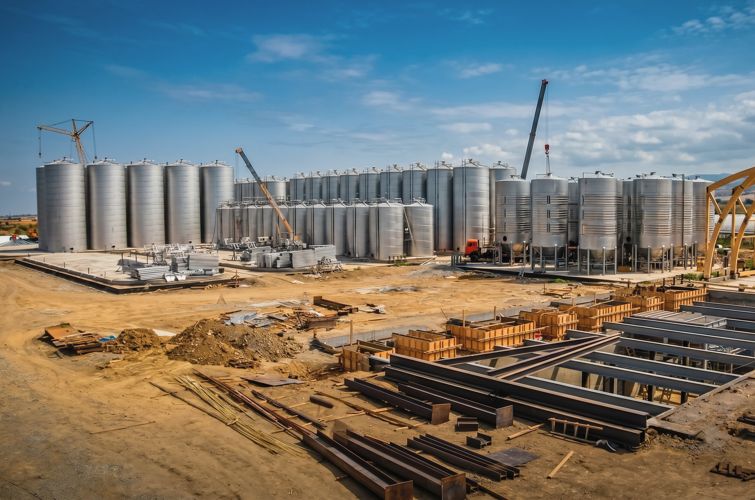
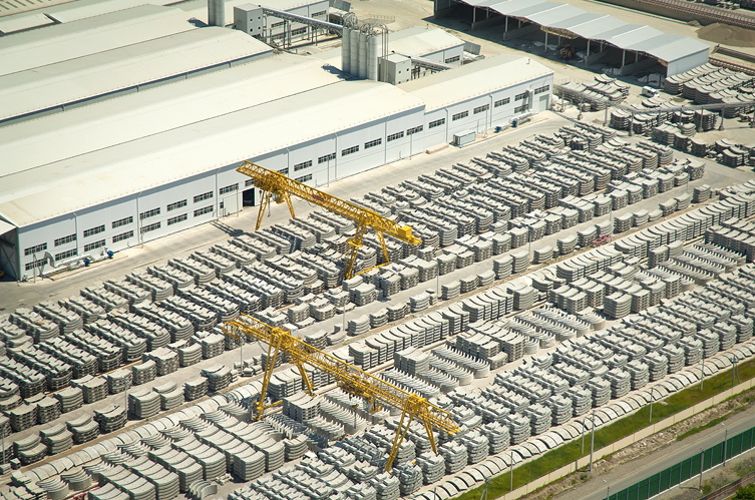
On construction sites, it is often important to record which materials have been delivered, where they are stored, what condition they are in and what equipment has been installed. This can be useful for reporting, supply control, insurance cases, inventory and confirmation of project stages.
The photographer can capture not only the general appearance of materials, but also markings, packaging, serial numbers, location on site, storage conditions and the installation process.
Photography of people, machinery and work processes
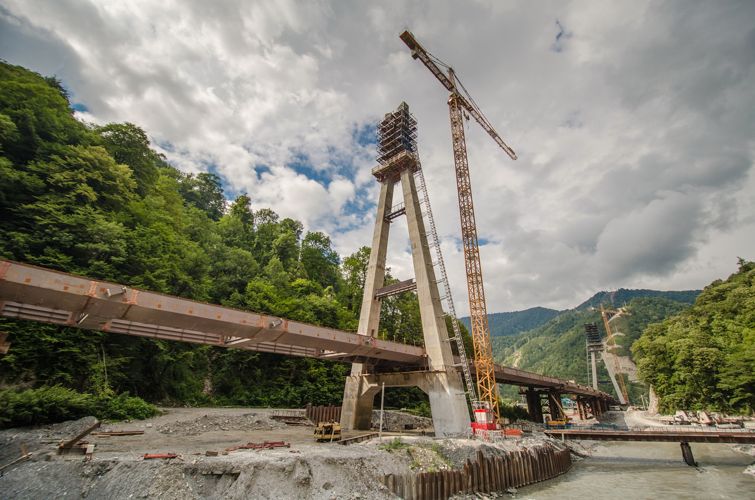
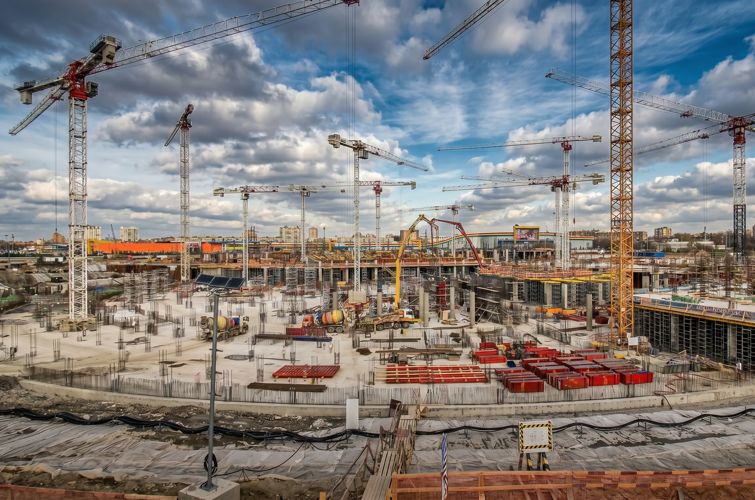
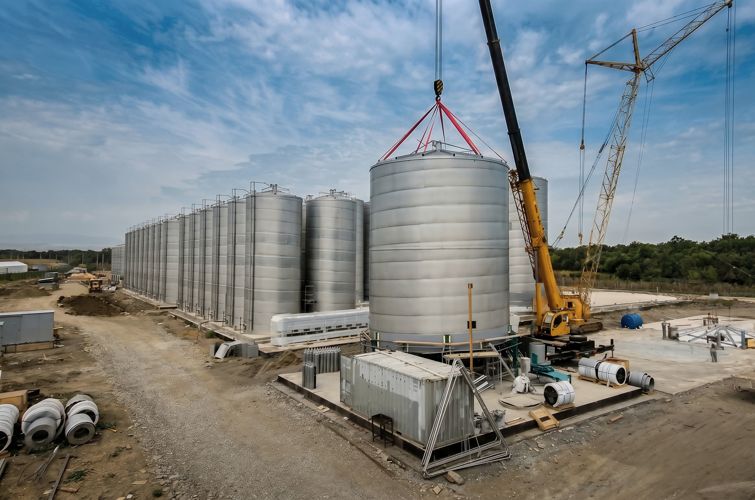
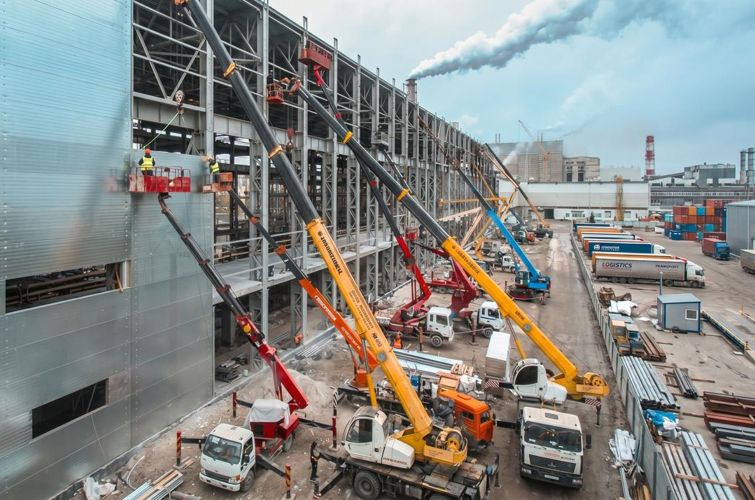
Construction is not only concrete, steel and drawings. It is the work of people, machinery, teams and contractors. Professional photography can show the scale of the process: cranes in operation, installers, engineers, machine operators, site teams, site logistics and coordination between different participants.
Such photographs are useful not only for reports, but also for the image of the construction company. They show the real process, the competence of the team, the level of organisation and the professional culture on site.
Architectural photography of completed projects
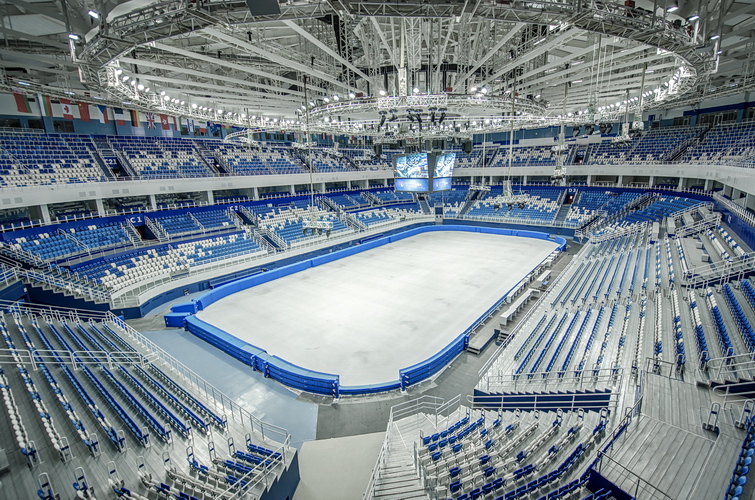
After construction is completed, the project needs a high-quality visual presentation. Architectural photography helps show the result in the way it should be perceived by clients, investors, buyers and the professional community.
We can organise photography of exteriors, interiors, public spaces, façades, entrance areas, details, engineering solutions, landscaping and the building within its urban context.
Architectural photography is different from ordinary photography. Composition, geometry, light, perspective, vertical lines, textures, reflections, time of day and the atmosphere of the space all matter. A good architectural photographer does not show the project randomly, but reveals its scale, design, quality and value.
These photographs can be used for websites, portfolios, presentations, awards, tenders, publications, advertising campaigns and sales.
Why professional photographs are better than casual phone pictures
Phone photographs are convenient for quick internal communication. But they have limitations. They are often taken in a hurry, without a consistent standard, with varying exposure, random angles, poor composition and no clear understanding of how the material will later be used.
A professional photographer solves a different task. They create material that can be used not only here and now, but also in a month, a year or after the project is completed.
Professional photography provides:
— high resolution;
— strong detail;
— correct exposure;
— considered composition;
— a consistent visual style;
— clear coverage of the project;
— stable quality from shoot to shoot;
— material suitable for print, presentations and publication;
— an independent external view of the site.
The photographer’s independence is especially important. They are not part of the construction team and do not photograph only what they happen to see on the way. They work according to the client’s brief, document the project systematically and help create a more objective visual picture.
Final material formats
We can adapt the result to the client’s specific needs. Sometimes a simple archive of photographs in cloud storage is enough. Sometimes a carefully designed PDF report is required. Sometimes the client needs a presentation for investors, a bank or an insurance company. Sometimes a set of photographs is needed for marketing, the website and social media.
Possible formats include:
— a PDF photo report with dates, descriptions and structure by zones;
— a cloud folder with high-resolution photographs;
— a selected gallery of the best images;
— a presentation for investors or management;
— a photo archive organised by construction stages;
— a before-and-after comparison report;
— a report on a specific event or type of work;
— photographs for the website and commercial materials;
— an architectural gallery of the completed project;
— images for tenders, case studies and portfolios.
Photo reports can include text, explanations, captions, dates, diagrams, design, brand styling and additional structure. This turns the material from a simple visual archive into a ready-to-use communication document.
How we organise the work
We begin by understanding the objective. It is important for us to define why photography is needed: for reporting, quality control, investors, a bank, an insurance company, marketing, an internal archive or presentation of the completed project.
After this, we study the project and prepare a photography plan. We define the frequency of visits, key zones, the list of required shots, events that need to be documented, safety requirements, access conditions and whether the photographer needs to be accompanied on site.
We then select the working format:
— regular scheduled visits;
— photography of key events;
— a combined format;
— a one-off project shoot;
— architectural photography after construction is completed;
— preparation of photo reports and presentation materials.
On site, the photographer works according to the agreed route and brief. They document the overall context, key zones, details, work progress, materials, equipment and significant changes. After the shoot, we carry out selection, editing, systematisation and preparation of the final materials in the required format.
What the client receives
The client receives not just photographs, but a professionally organised visual service.
Professional construction photography helps to:
— regularly document construction progress;
— prepare clear photo reports;
— confirm completed stages;
— present the project to investors, banks and insurance companies;
— monitor the quality of works;
— document materials, equipment and hidden stages;
— reduce the risk of disputes;
— create a visual archive of the project;
— strengthen the construction company’s marketing;
— professionally present completed projects.
Good photographs help a construction company communicate with the market, investors and clients through facts and visual quality. They show not only that the project is being built, but also how the company works: how well organised the process is, how carefully details are executed, how large-scale the project is and how convincing the final result looks.
Why work with us
We understand that construction photography is documentation, reporting and brand communication at the same time. That is why we approach photography not as a random set of images, but as a system.
We help define which photographs the project really needs, how often the site should be photographed, which stages must not be missed, which report format will work best and how the material can be used after the shoot.
We can organise regular photo reports, photography of key events, documentation of work quality, photography of materials and equipment, presentation photography of the construction process and architectural photography of the completed project.
As a result, the construction company receives high-quality photographs, a clear reporting structure, visual confirmation of progress and strong material for investors, banks, insurance companies, clients, marketing and public communications.
Professional photography of construction projects is a way to document the process, protect the project’s interests and present the result beautifully.
Photography for construction, architecture and industry
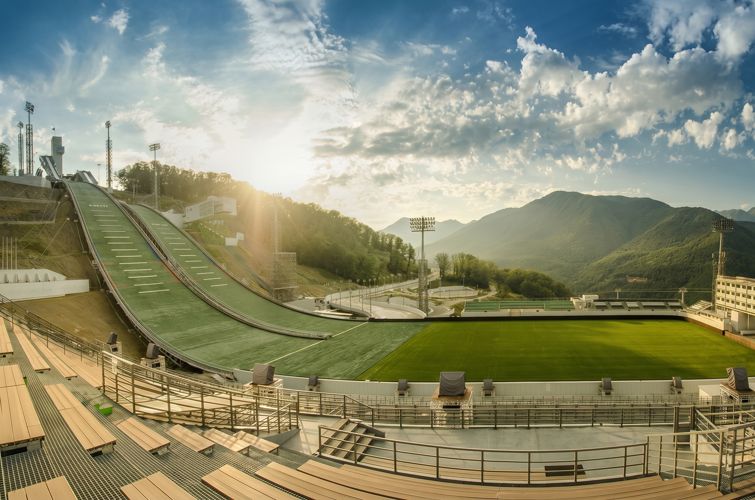
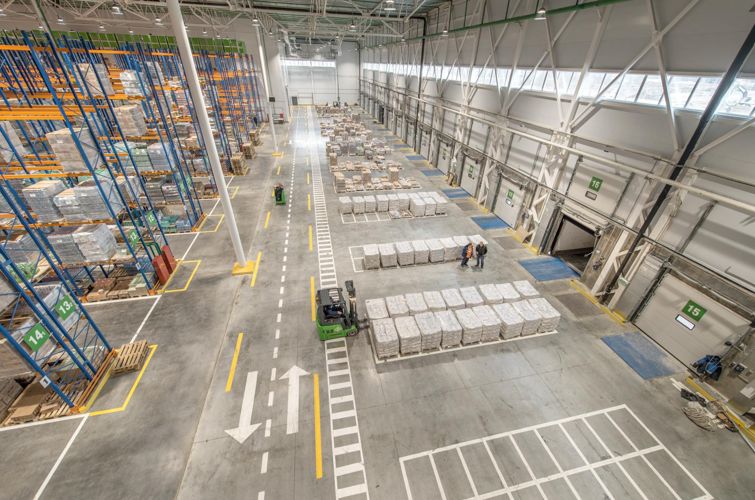
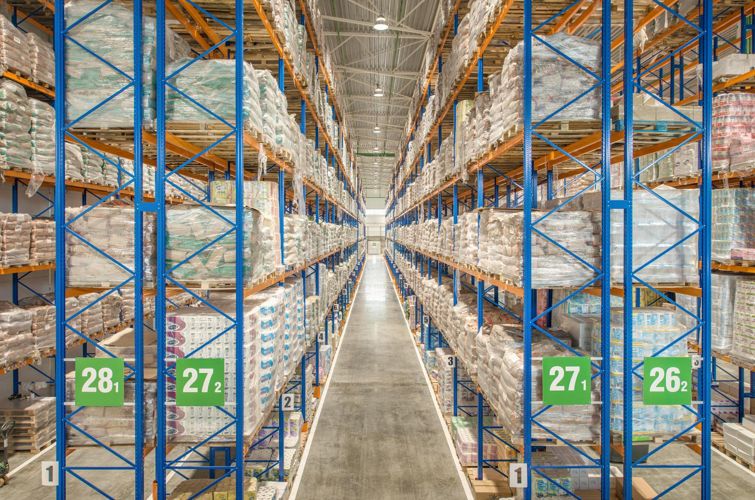
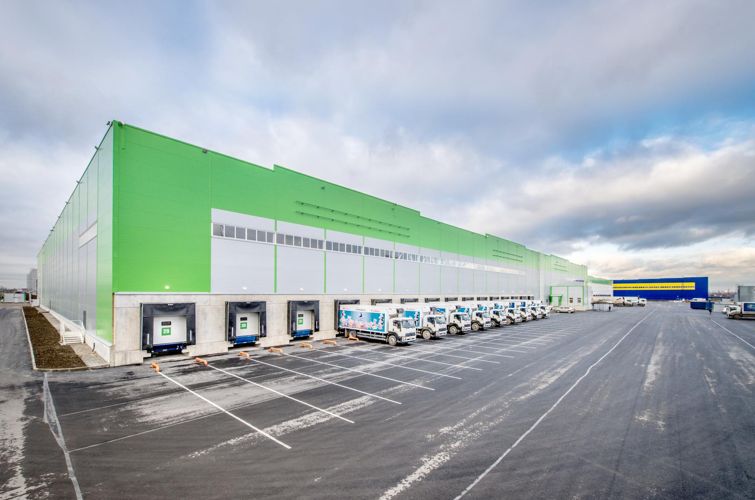
Would you like to receive regular photo reports on construction progress?
Contact our team to discuss your site requirements and receive a customized quote for your project.